Monk Took Book Weapons and Tools
Ladders, quill, and bucket still matter when you turn every beast off.
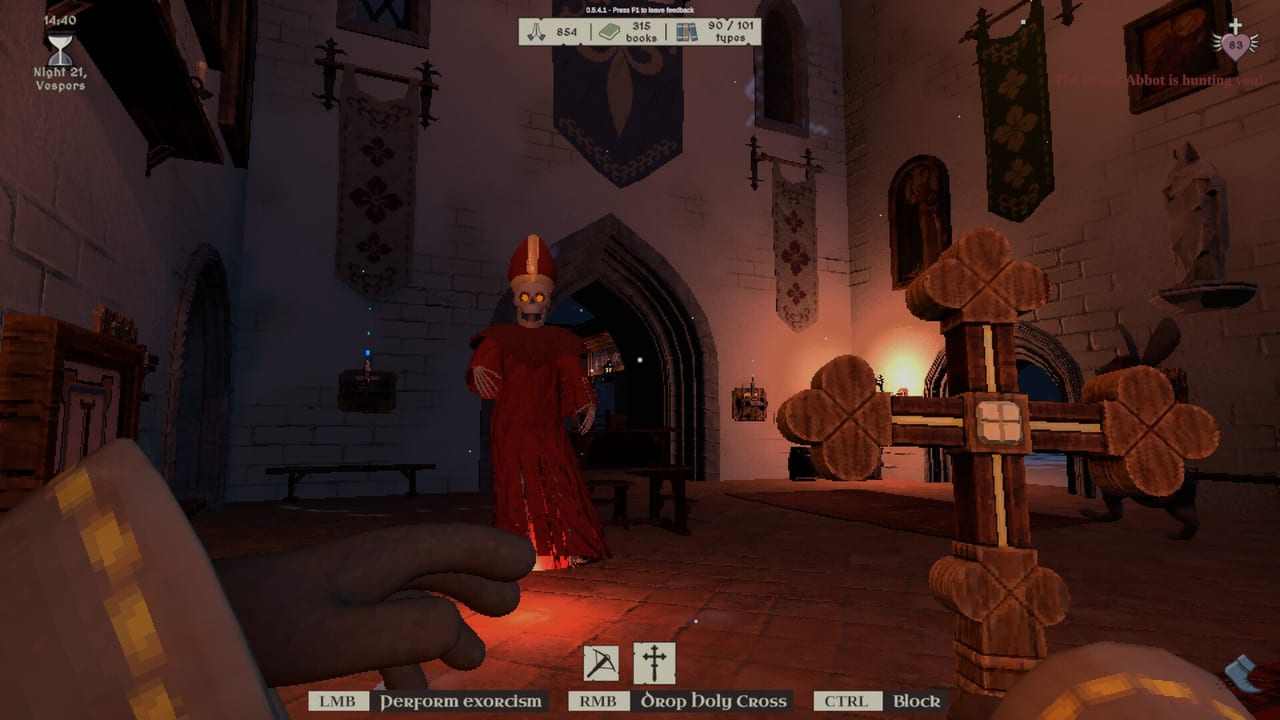
Holy Island sells steel next to pails. That is the point of this list. Monk Took Book is scored as a memory-library game first, so a large ladder can outrank a crossbow, and a quill can outrank a torch. Combat is real if you leave vermin, spirits, and fire on; it is also optional in settings. Peaceful runs still need ladders, a quill, and a bucket. Lord Fluffy is a cat. Do not put the cat on a tier.
For crypt prayers, use the perk tier list. For how Blessings pay for shops versus shrines, use the Blessings guide. This page ranks the kit you carry through the hall.
Ranking lens
S means you feel the missing item on almost every save, including chill ones. A means it is the default answer to a threat you left on. B means it is useful and messy. C means it is a specialist or a liability unless you know why you brought it. Four-player nights make utility rise: someone must own the ladder, someone must own the pail, and thrown books become a delivery method instead of a joke. Read solo versus co-op before four monks each buy a dagger and nobody buys a quill.
S tier: ladders, quill, bucket
Small and large ladders are how carpentry becomes usable. A max shelf height perk does nothing if you cannot reach the top bay. The small ladder is the early buy: light enough to drag, enough for first-height shelves. The large ladder is the late necessity, and it is also the item that clogs doorways when four people try to share it. In co-op, one monk should be the ladder owner. In solo, park it under the bay you are actually filling, not in the nave as decoration. Pair ladders with how to organize so you are not climbing to place random covers.
The quill is the restoration tool. Damaged books lose worth; the quill repairs and restores them so the collection still counts. Nights with pests, fire, or clumsy throws will scuff stock even if you never swing a dagger. A peaceful save still drops books down stairs. Buy the quill when you start seeing damaged covers, not after a whole wall has gone to pulp. It is a library tool, not a weapon, which is why it sits in S.
The bucket (or pail) fills at the cloister well and douses fire. Simulated flame will eat a bay you just paid to raise. If fires are on, the bucket is S. If you disabled fire, it drops, but this wiki still lists it in S because many players leave fire on while turning beasts off, and because a single ember from a torch or a fire bolt can still happen. Know where the well is on the monastery map before the first night you smell smoke.
A tier: dagger, holy cross, Perfect Parry
The dagger is the default melee answer. A demo patch slightly increased strike range, which makes it less of a nose-to-nose panic stick. Perfect Parry is the skill that makes melee feel fair: time the block, then punish. If you left vermin and beasts on, carry the dagger on night runs and park it when you are shelving. If you turned every foe off, the dagger is optional steel. Do not skip combat if you intend to parry; the rank assumes you know the timing.
The holy cross is the exorcism tool versus the Green Abbot and other spirits. Ghosts that ignore a dagger need the cross before a hearty weapon can finish them. On a spirits-on save it is A. On a spirits-off save it is a wall ornament. Co-op should give the cross to the defender role, not to the monk who is already carrying the large ladder and a stack of books.
B tier: torch, thrown books
The torch is light and a fire starter. Dark stacks are easier to read with a flame in hand, and some threats are easier to see. The same flame throws embers. If you have not bought torch safety from the perk tier list, treat the torch as a controlled risk, not a default night weapon. Use it in halls you can douse. Do not plant it under a tall dry bay.
Thrown books are physics, not a martial art. They can stagger a pest, cover a gap when a teammate is across the nave, or launch a requested tome toward the desk. They can also damage the book, start a cascade, and make the night worse. In solo, throwing is a last resort when the timer is dying. In co-op, short tosses to a waiting runner are B-tier speed. Long snipe throws through a candle row are how you learn the bucket.
C tier: crossbow and fire bolts
The crossbow plus bolts is the ranged option. It keeps you off a monster’s face, which sounds like A until you read the fire-arrow rule: those bolts carry about a fifty percent ember chance. You can win a fight and lose a shelf. On a fire-off save the crossbow is a safe poke. On a fire-on save it is C unless you have a bucket monk, torch safety, and a reason not to use the dagger. Do not make it your first shop buy. Learn melee and parry from combat, then pick the bow for hallways you refuse to enter.
Peaceful loadout versus combat loadout
Peaceful (threats reduced or off): small ladder, then large ladder, quill, bucket if fire still rolls, extra tool slots from the crypt so you can hold them. Skip dagger, crossbow, and holy cross until you get curious.
Combat (default threats): dagger plus Perfect Parry, holy cross if spirits are on, bucket, torch used carefully, crossbow only with a fire plan. Still buy ladders and the quill first. A dead monster on a collapsed, burned, unrestored shelf is not a win.
Four-player split: shelving architect owns ladders; night runner owns carry space and maybe a dagger; defender owns cross and bucket; thief tracker travels light. Details live in the co-op guide. Nobody needs four holy crosses.
Shops, not shrines
These items come from abbey shops and pickups, not from crypt prayer. Strength, Speed, and Carpentry change how well you swing, dash, and build; they do not spawn a quill. Spend order still follows the Blessings hub: shelves, then the tool that unblocks the next job, then shrines. New monks should finish getting started before they window-shop steel. How to play and the walkthrough will tell you which night you first need a pail.
Rebind pickup and drop in controls so a ladder is not a wrestling match. If the shop layout moved after a patch, check patch notes and launch. Demo shops are practice; the demo cannot join full-game lobbies.
Bring the tool that matches the failure. Missed high bays: ladders. Scuffed covers: quill. Smoke: bucket. Spirits: holy cross. Beasts in your face: dagger and parry. Beasts down the hall and you accept ember risk: crossbow. Darkness: torch. A teammate two landings away: a short thrown book, not a snipe. The cat stays a cat.
Frequently Asked Questions
Quick answers for novices tending the Holy Island library.
What should a peaceful run buy?
Ladders, the quill, and a bucket if fire is still on. Skip steel. Utility ranks are on this page; crypt prayers are on the perk tier list.
Is the crossbow better than the dagger?
Usually no. Fire arrows have about a 50 percent ember chance, so you can burn the bay you just saved. Use the dagger and Perfect Parry unless you have a fire plan from the combat guide.
When do I need the holy cross?
When spirits and the Green Abbot are on. It reveals and exorcises what a dagger cannot finish. Turn spirits off in settings if you want to skip it.
Are thrown books a real weapon?
They are physics. Short tosses to a teammate are useful. Long throws can damage stock and start fires. In co-op, agree on tosses in the co-op guide.
Is Lord Fluffy a weapon?
No. Lord Fluffy is a cat. Do not rank the cat. Rank ladders, the quill, and the bucket instead.
Small ladder or large ladder first?
Small first so early shelves are reachable. Large when carpentry and max height come online. One monk should own the large ladder in four-player games; see solo versus co-op.