Monk Took Book Perk Tier List
Pray for carry and recovery first; carpentry when the collection outgrows the hall.
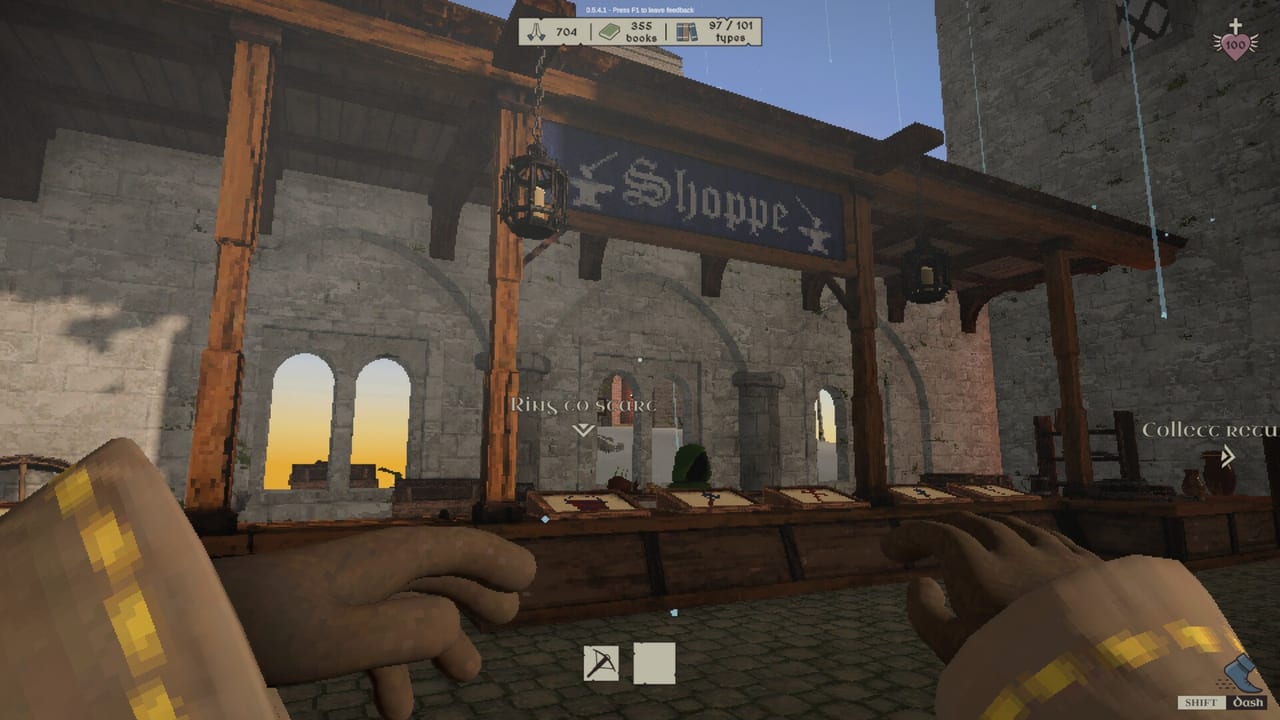
Crypt shrines take Blessings and return librarian power. SquarePlay names three skill themes — Strength, Speed, and Carpentry — and shrine text also covers tool slots, book carry limit, maximum shelf height, run and dash speed, faster run recovery, and a Torch Perk Shrine that pushes ember ignition toward zero percent. This page ranks those themes for memory-library play. We do not invent extra perk titles. Walk the crypt after each night and read the card in front of you, because demo, launch, and later patch notes can shuffle costs and order.
If you still need the earning loop, start with the Blessings guide. If you need a filing system that those taller shelves will hold, read how to organize. For how this list sits next to steel and ladders, return to the tier list hub.
How to use the table
S is the usual first spend once you can sort the morning delivery. A is the growth and quality-of-life layer. B is real but later, or skippable on a peaceful save. C is a specialist shrine. Four-player nights (timer about 55 percent of solo) do not rewrite the table; they make S-tier even more expensive to skip. See solo versus co-op if the clock, not the shrine, is the problem.
| Tier | Perk theme | Why it ranks here |
|---|---|---|
| S | Book carry limit | Night is a fetch exam. More tomes per trip means fewer runs between shelf, desk, and scribes. |
| S | Faster run recovery | Dash is the night movement tool. Recovering sooner beats a slightly higher top speed you cannot reuse. Demo shrines showed this near thirty Blessings. |
| A | Run and dash speed | Crosses halls, stairs, and the dock faster once you can dash again. |
| A | Carpentry and max shelf height | Collection growth. Taller shelves keep a theme in one place so night memory stays local. |
| A | Tool slots | Ladder plus bucket or weapon without dropping the job. Four-player nights live or die on who holds the large ladder. |
| B | Strength beyond carry | Helps if you still melee and parry. Less vital when threats are off in settings. |
| B | Extra Speed after recovery | Nice once S-tier Speed is bought. Do not take a speed boost before you can dash again. |
| C | Torch Perk Shrine | Pushes ember ignition toward 0 percent. Skip on fire-off saves; buy if torches and fire arrows keep lighting the hall. |
S tier: carry limit and run recovery
Book carry limit is the perk that most directly shortens a night. Scribe orders ask for several covers. If you can hold a stack instead of a pair, you visit the checkout desk fewer times and you waste fewer seconds on the stairs. Strength is the skill family that usually owns this card. Buy it when you already have enough shelf sites to put the morning books somewhere; a huge carry limit with nowhere to file is just a heavier stumble from the dock.
Faster run recovery sits beside it. Night routes are dash, stop, grab, dash. A recovery shrine (about thirty Blessings in the demo) lets you repeat that loop. A raw dash-speed card is worse until recovery exists, because you still wait on the cooldown. Solo monks feel this on every long hall. Four monks feel it when the clock is already cut. Pair both S cards with the controls you actually rebound, or you will dash into a shelf and dump the stack.
A tier: speed, carpentry, shelf height, tool slots
Run and dash speed is the clean A pickup after recovery. It does not invent a new job; it makes the job you already do cheaper. On four-player nights the map does not shrink, the timer does, so crossing from cloister well to upper stacks matters.
Carpentry and maximum shelf height are the collection-growth pair. Early shelves are short. As covers pile up, a theme that lived on one bay spills onto two, and your night memory fractures. Height keeps a colour, animal, or symbol family in one column. That is why this rank sits under memory, not under cosmetics. Spend here when you are already losing books because the hall is full, not because you have not learned the day-night loop. Use the memory planner before you raise every bay to the ceiling — tall clutter is still clutter.
Tool slots are the quiet A card. The abbey wants you to hold a ladder, a pail, a torch or dagger, and a stack of books at different times. Extra slots mean the night runner can keep a weapon without abandoning the large ladder in a doorway. In co-op, assign who owns the ladder using the co-op guide instead of buying four copies of every tool.
B and C: combat Strength, leftover Speed, torch safety
Strength that is not carry — melee impact, surviving a scuffle, making Perfect Parry more comfortable — is B for this wiki’s purpose. Monk Took Book lets you reduce or disable vermin, spirits, and beasts. If you left combat on, Strength supports the combat guide and the dagger on the weapons and tools page. If you turned threats off, leave it.
Extra Speed after you already own recovery is also B. It is not a trap; it is just not the first Speed prayer. Spend leftover Blessings here when shelves and carry are already comfortable.
The Torch Perk Shrine is C until fire is part of your save. It drives ember ignition toward zero percent, which matters if you run with a lit torch or if crossbow fire arrows (fifty percent ember chance) are in play. On a peaceful fire-off save it does nothing you can feel. On a chaotic four-player night with torches waving near parchment, it can save a bay that carpentry just paid for. Check shrine text; do not assume every crypt visit shows it in the same order.
What to buy before the crypt
Ranks assume you can stand in the crypt with a purse. First nights should still follow the getting started spend: shelf sites so the dock delivery has a home, then a ladder so height is usable, then a quill so damaged stock is not dead weight. Rooms on the monastery map are tempting, but a side door you cannot remember is a worse buy than recovery. Videos often show doors and some shrines around thirty Blessings; treat that as a scale, not a full price list.
After a failed night, name the failure before you pray. Lost the cover: organize. Found it, missed the desk: carry and recovery. Fire or Green Abbot: tools and maybe torch safety. Timer with four monks: roles, not a fifth Speed card. The walkthrough and how to play pages exist so you do not spend Blessings on the wrong bottleneck.
Read shrine labels every visit. If a card does not match this table, trust the crypt, then come back after patch notes. Demo monks should remember the free app cannot join full-game lobbies; practice ranks there, spend the real purse in the purchased abbey.
Pray for the night you actually run. Carry and recovery pay for fetches. Carpentry and height pay for a collection you can still recall. Tool slots pay for not dropping the ladder. Torch safety pays only when something is already burning. That is the whole list — check the stone, spend, and go sort the dock.
Frequently Asked Questions
Quick answers for novices tending the Holy Island library.
What should I buy first in the crypt?
Book carry limit and faster run recovery, once shelf sites exist. Then carpentry or tool slots. Full spend order is on the Blessings guide.
Is the Torch Perk Shrine worth it?
Only if fires and embers are on. It pushes ignition toward 0 percent. Skip it on a peaceful save in settings.
Do four players change perk priority?
Not the order, the urgency. The night timer is about 55 percent of solo at four monks, so S-tier carry and recovery matter more. Split jobs in solo versus co-op.
Why is carpentry only A if I need taller shelves?
Height is how the collection grows without scattering a theme. It ranks under carry and recovery because a tall library you cannot fetch from still fails the night. Pair it with how to organize.
Will you name every shrine card?
No. We only rank listed themes: Strength, Speed, Carpentry, carry, height, tool slots, dash speed, run recovery, and torch safety. Read the crypt; patch notes can move cards.
Where do weapons fit next to perks?
Perks change your body and the library. Shops sell the dagger, crossbow, holy cross, quill, bucket, and ladders. Rank those on weapons and tools.